
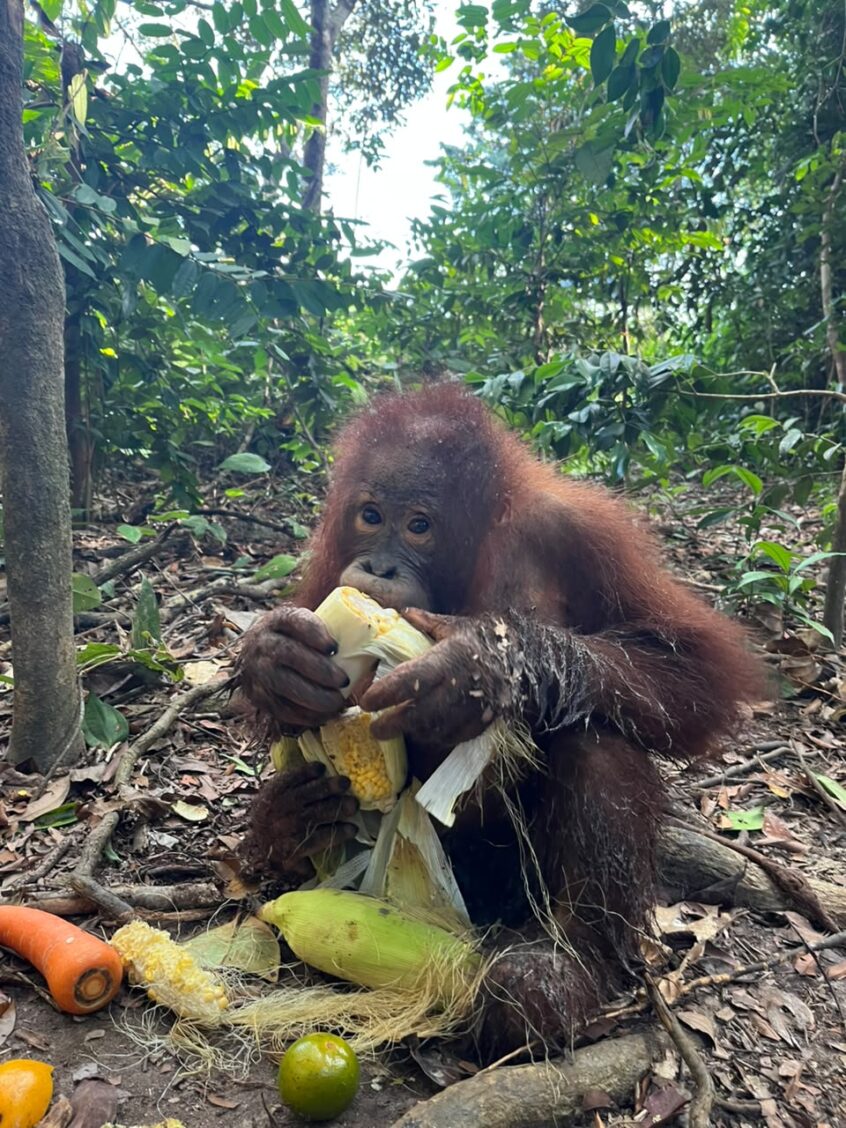
On 3 June 2026, Redi and Banir were reunited with Otan, Juli, and Seko following a regrouping decision made by the team. This adjustment was based on careful observations of the group’s social dynamics over the previous two weeks. During that period, interactions between Redi, Banir, and Manfred became increasingly intense. As the oldest individual in the group at eight years old, Manfred began displaying stronger dominant behaviors. While dominance is a natural aspect of orangutan social interactions, the increasing intensity of these interactions started to affect Redi’s and Banir’s comfort especially during their time in the overnight cage.
Changes in Redi’s behavior became one of the key factors behind the decision to regroup the individuals. Normally active and highly exploratory, Redi was increasingly observed avoiding Manfred and appeared less confident than usual. On several occasions, he could be heard whining after Manfred forcibly took his food. To prevent these interactions from negatively affecting the welfare and rehabilitation progress of both Redi and Banir, the team decided to separate them from Manfred and reunite them with Otan, Juli, and Seko.
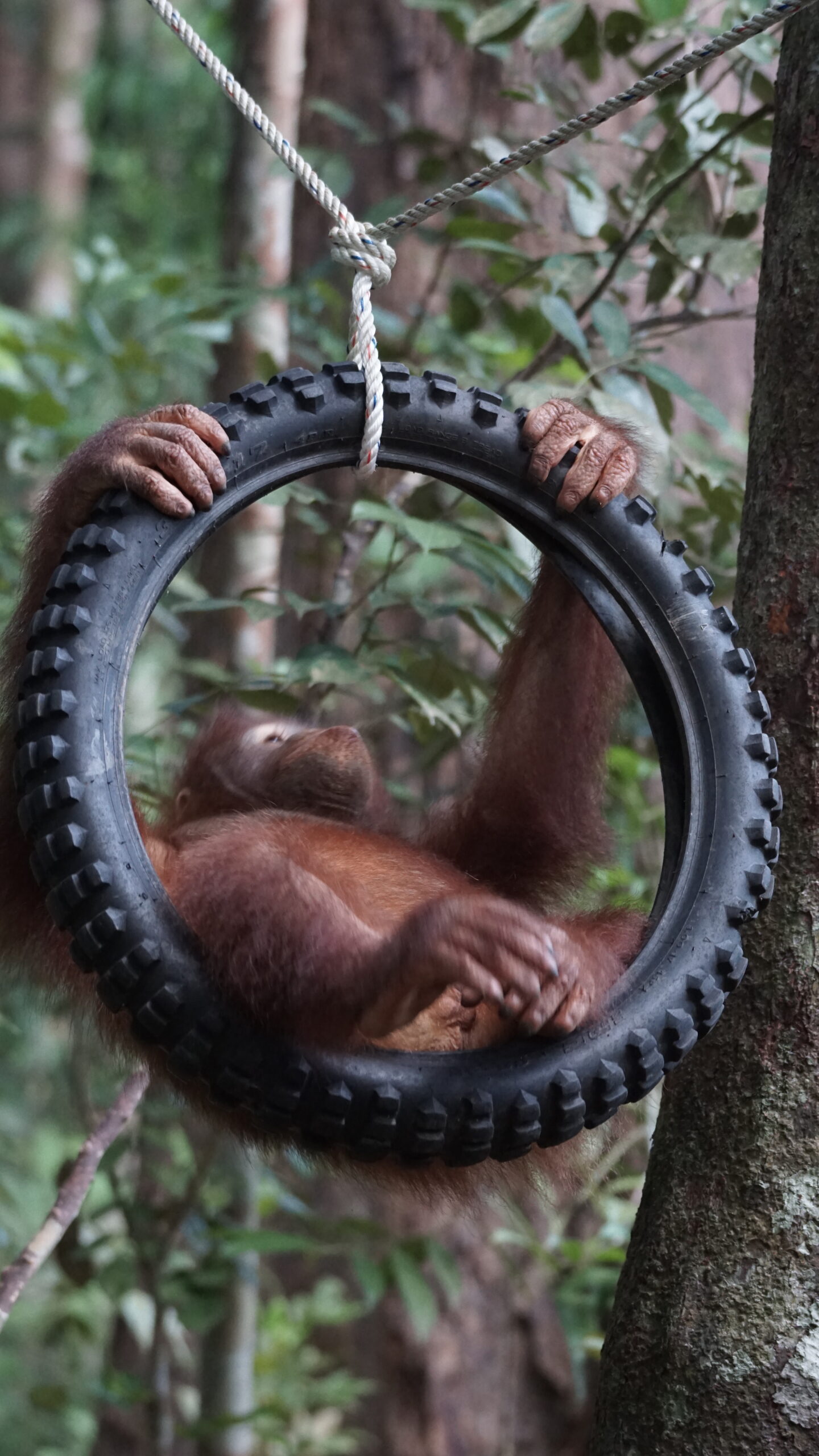
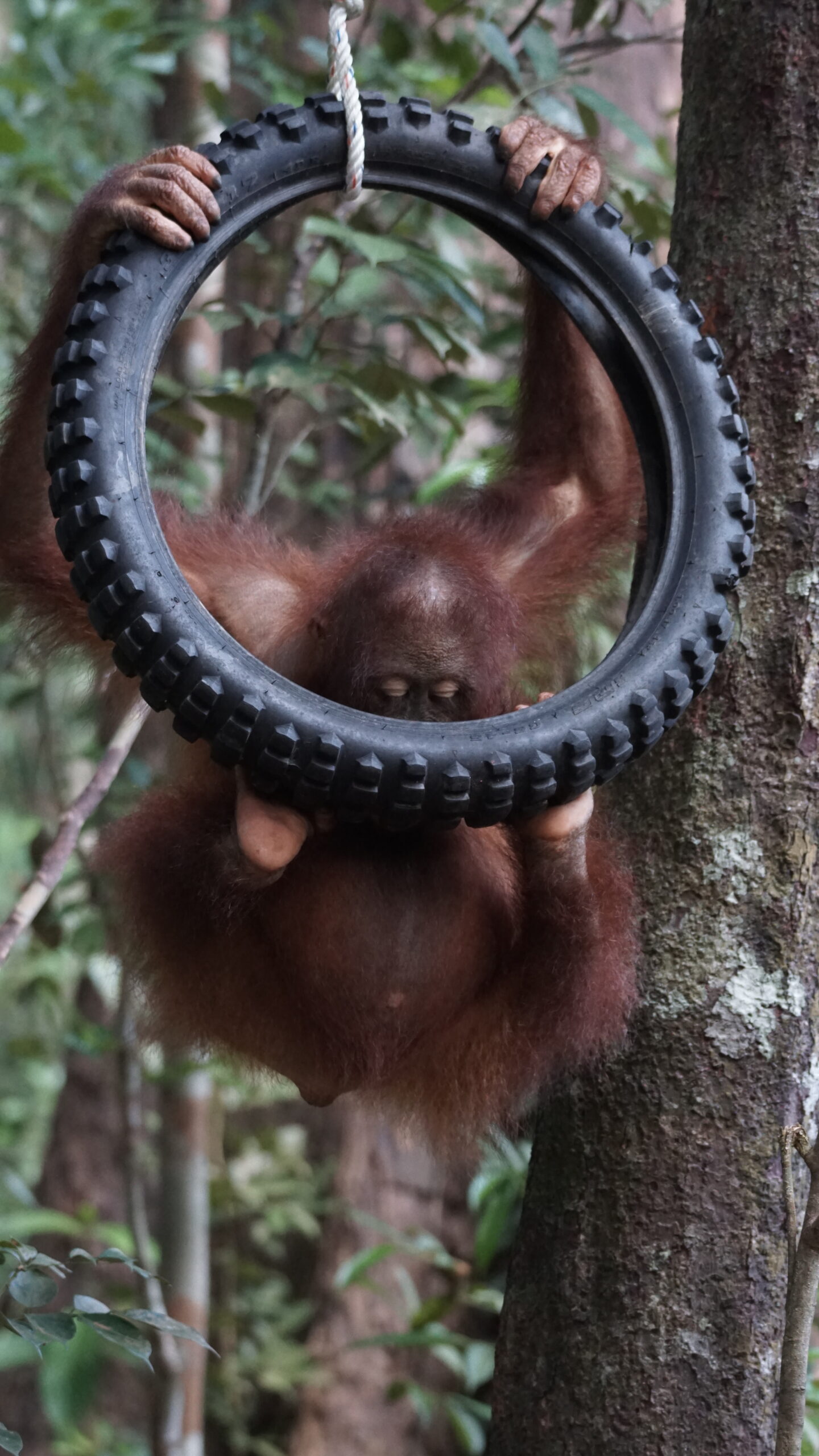
The decision quickly produced encouraging results. After rejoining his previous group, Redi gradually returned to his usual cheerful and energetic self. He became more active, spent more time playing and exploring, and showed a noticeable improvement in his appetite. One familiar sign that delighted the team was Redi’s round belly making a comeback—a characteristic feature that had long been associated with his healthy appetite and active personality.
Throughout June, Redi also completed his Forest School sessions smoothly. Among his group members, he was almost always the first to leave the overnight cage each morning as soon as the tunnel’s door opened. Confidently moving from tree to tree, Redi spent most of his time in the middle and upper forest canopy, foraging for a variety of natural foods, including wild fruits, young leaves, and other edible forest vegetation. His enthusiasm for foraging was often reflected by the colorful stains left on his lips from the natural pigments of the fruits he consumed.
During the final Forest School session of the month, observers found Redi spending much of the afternoon on the forest floor. The reason soon became clear—he had discovered a muddy water puddle and happily spent quite some time splashing and playing in it until his face and nearly his entire body were covered in mud. Exploratory behaviors like this reflect Redi’s natural curiosity and growing confidence in interacting with different features of his forest environment.
From a health perspective, Redi remained in good condition throughout the month. The routine deworming program carried out by the Veterinary Team also went smoothly. Redi accepted his deworming medication without hesitation, swallowing it as though it were simply another piece of food, allowing the procedure to be completed quickly and without any special handling.
Redi’s progress throughout June demonstrates how appropriate social group management, combined with close behavioral monitoring and consistent preventive healthcare, can significantly support the rehabilitation process. As his confidence continues to grow and his enthusiasm for exploring the forest becomes increasingly evident, we hope Redi will continue developing the natural skills and behaviors needed for the next stage of his rehabilitation journey.
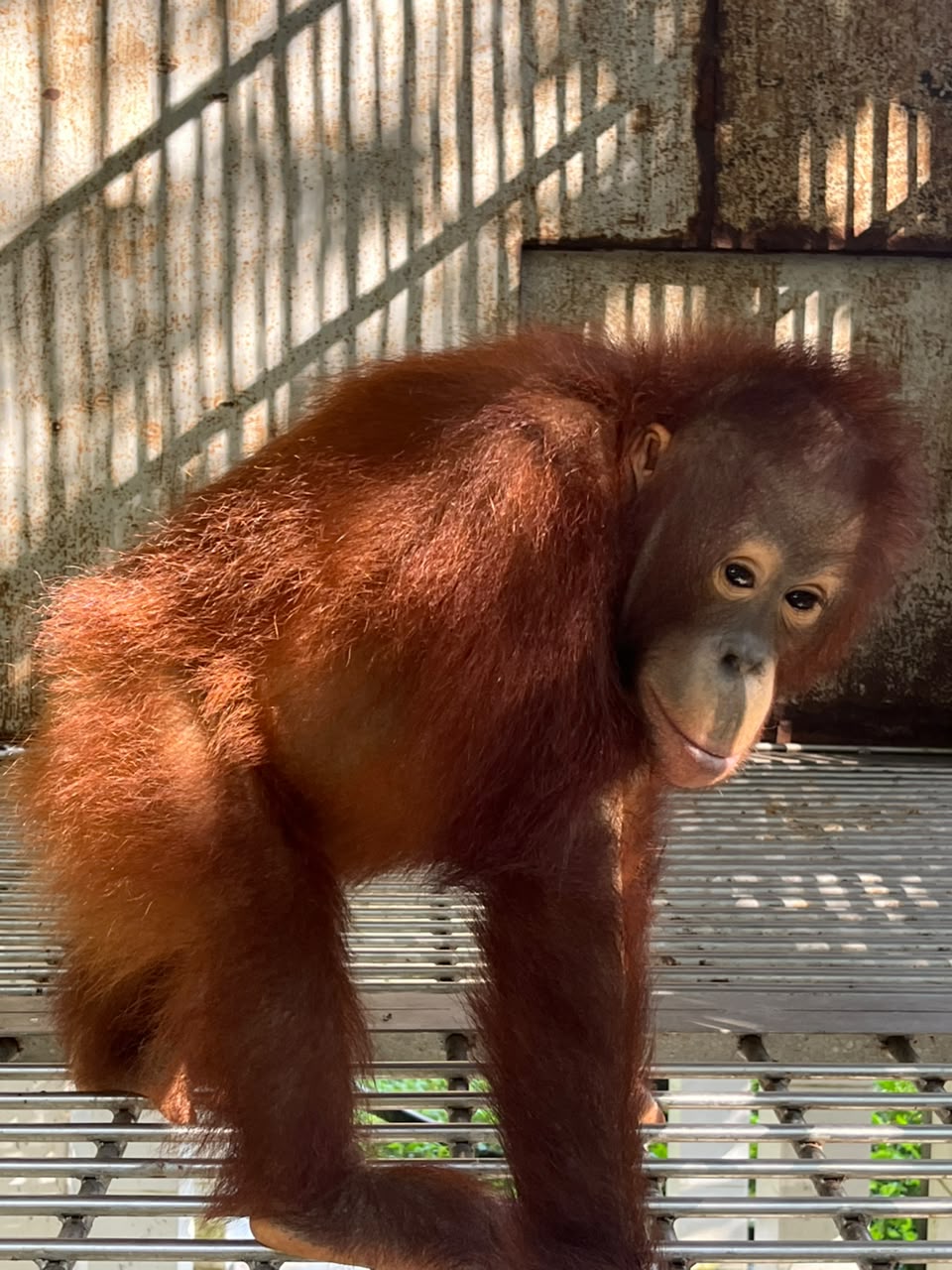
Redi
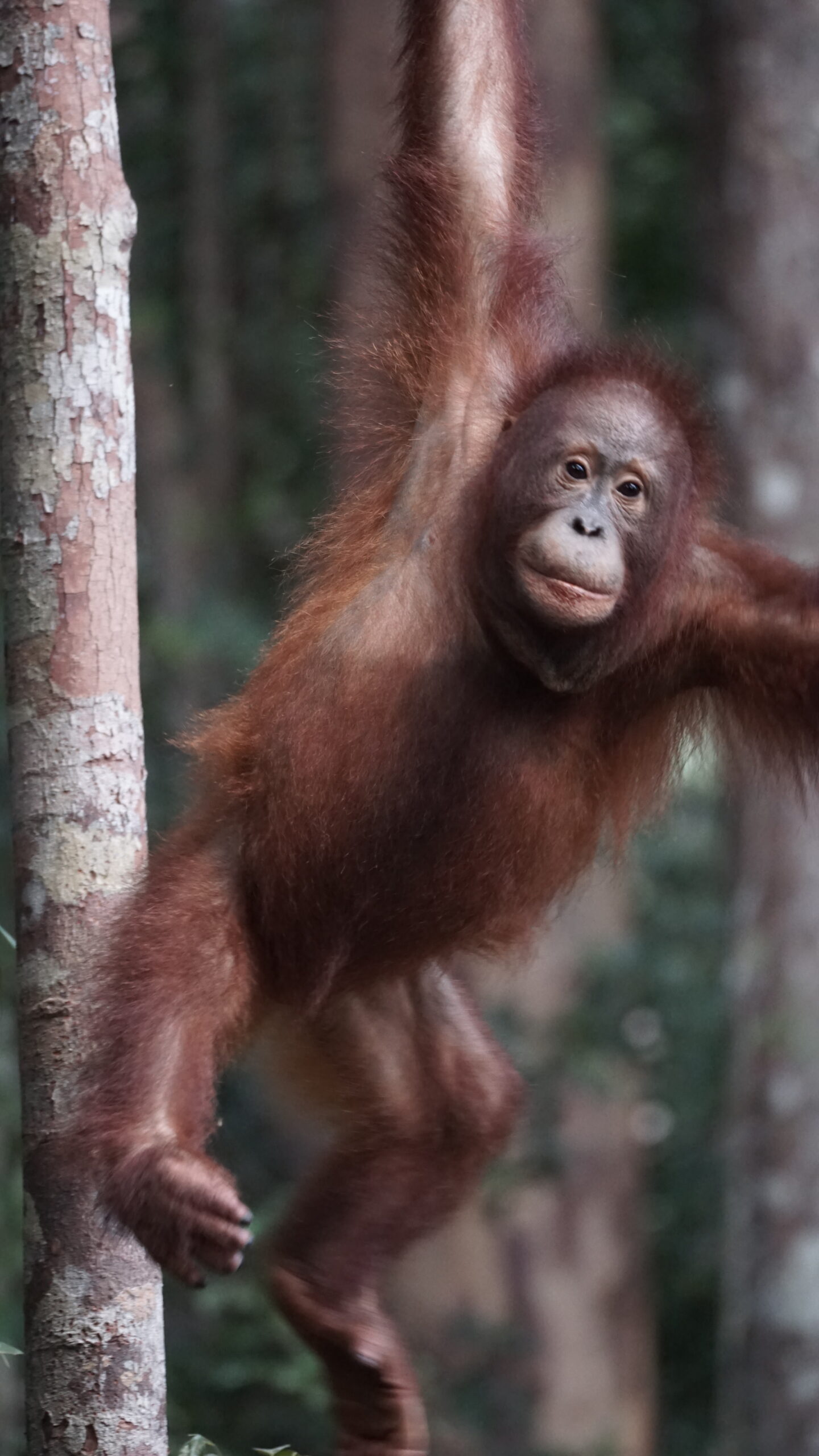
Redi
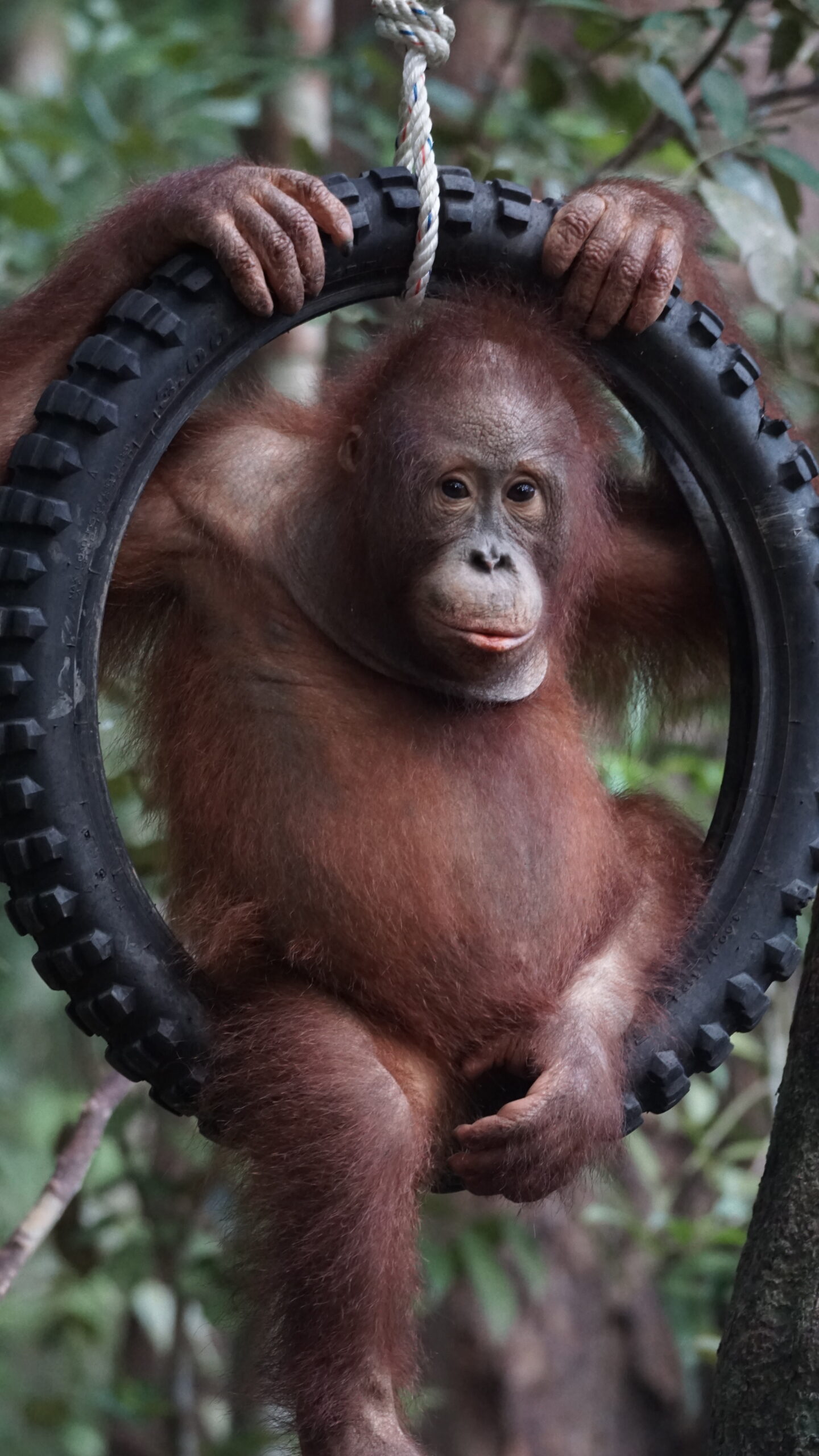
Redi
Redi
Redi
Redi