31-01-2026
|
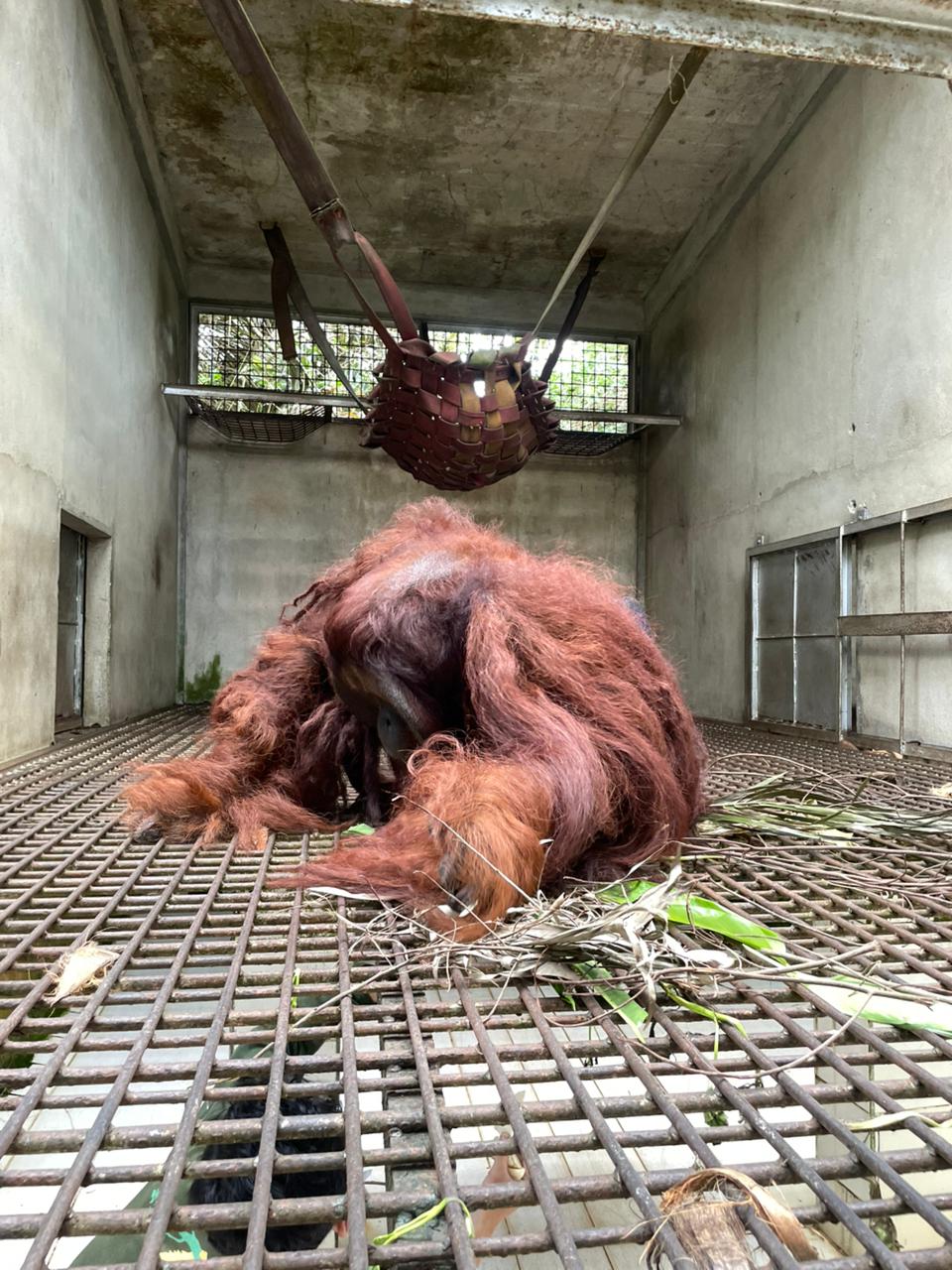
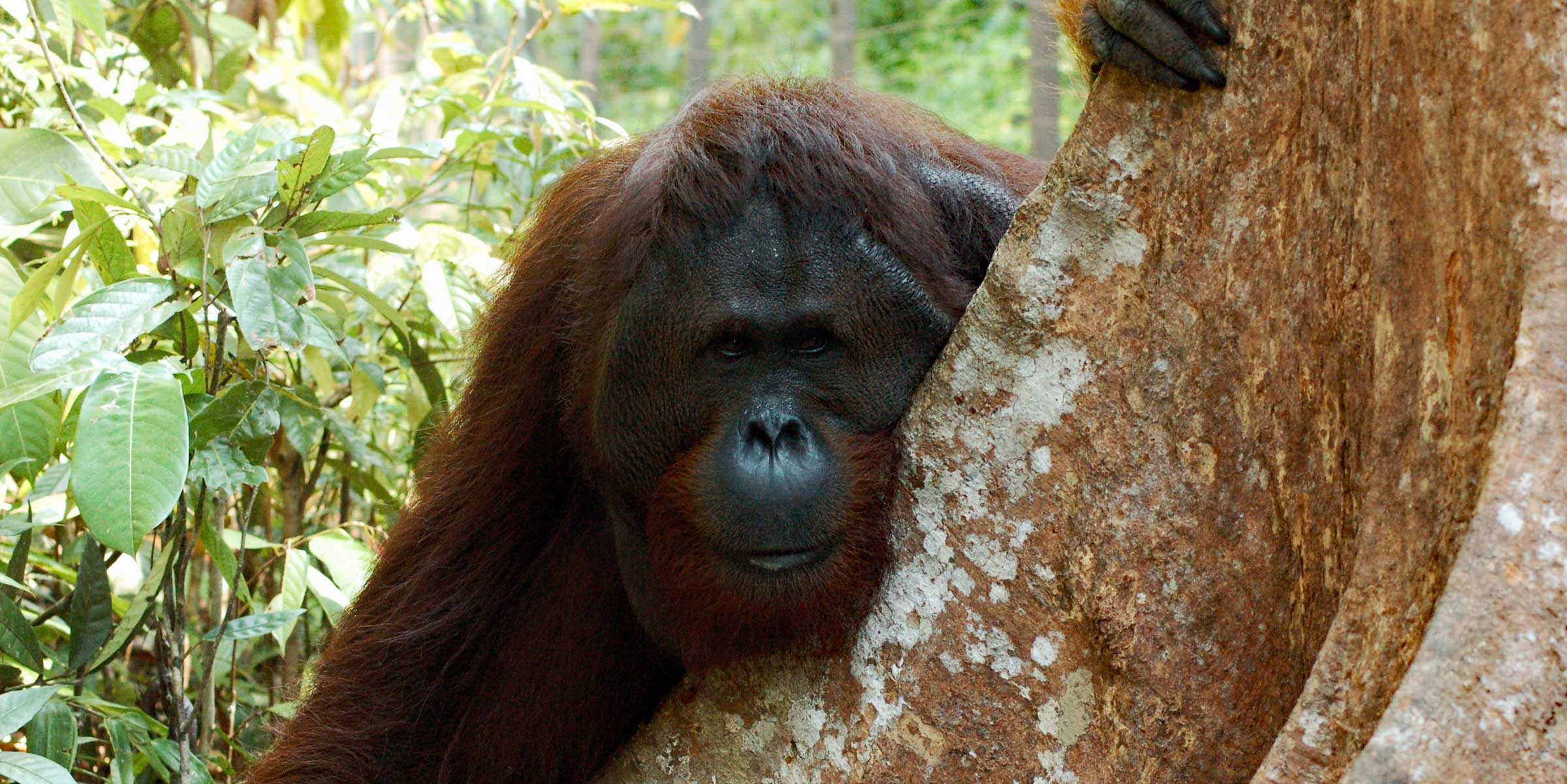
As the afternoon feeding time approached at approximately 4:00 PM, Mamat began to show vocalization behavior that sounded like expressions of discomfort or food-demanding behavior. This behavior occurred despite the fact that Mamat had already received food prior to the scheduled afternoon feeding. The vocalizations are believed to be related to Mamat’s expectation of the feeding routine he has become familiar with.
In response to this behavior, the on-duty animal keeper provided Mamat with his afternoon leaf feeding. After receiving the food, Mamat briefly showed a decrease in vocalization intensity and appeared calmer; however, this condition did not last long. When the animal keeper later passed by the cage area again, Mamat resumed vocalizing with greater intensity. At this stage, Mamat was also observed hitting the cage door and attempting to bend or damage the metal bars.
Based on observations, this combination of vocalization and physical responses tended to occur when Mamat saw the presence of an animal keeper or people passing near his cage. This indicates that visual stimuli of human presence play a role in increasing the intensity of Mamat’s responses, particularly in the context of food-related expectations.
To prevent escalation into more aggressive behavior and to ensure the safety of both Mamat and the staff, the animal keeper chose to move away from the cage area. Once no people were present nearby, Mamat’s response gradually decreased and was limited to vocalizations only, without further cage-hitting behavior or attempts to damage the bars. This pattern is an important note for evaluating human–orangutan interaction management, particularly in relation to maintaining appropriate distance, regulating staff presence timing, and adjusting feeding strategies to avoid reinforcing food-demanding behavior.
Overall, Mamat’s condition is monitored as good. From a health perspective, no serious issues were identified. Several weeks earlier, Mamat experienced a mild cough, suspected to be influenced by weather conditions; however, this resolved without specific treatment and has not shown any recurring symptoms to date.
Social interactions between Mamat, Beno, and Bablu were also observed to be stable. No significant conflicts were noted, with only occasional loud vocalizations as a form of communication among individuals. During the daytime, especially in hot weather, Mamat tended to rest more and showed minimal activity. His movement and activity levels increased again as feeding time approached, consistent with his daily behavioral pattern.