28-02-2026
|
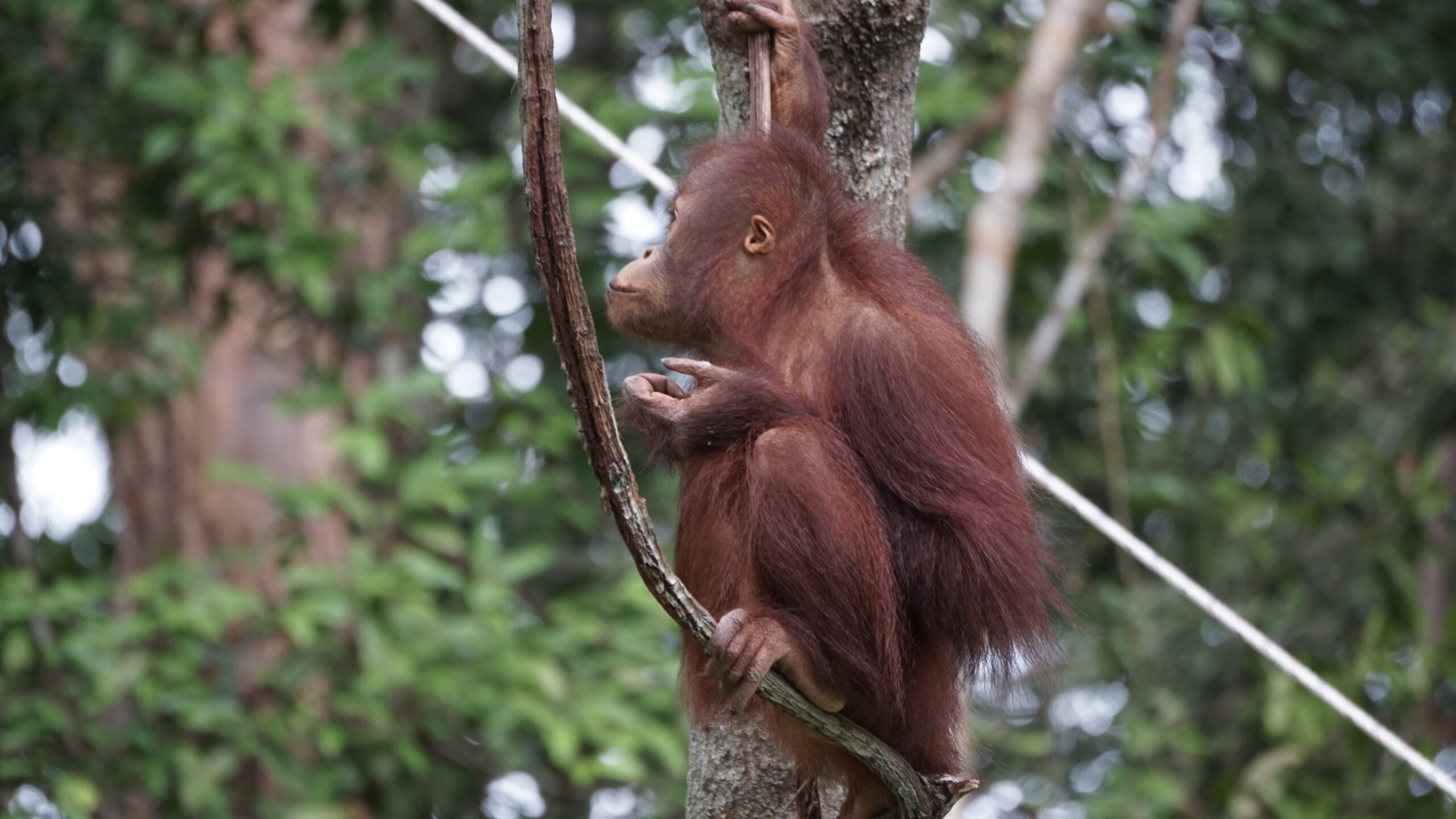
Throughout February, weather in Sintang remained unpredictable. After briefly transitioning toward the dry season, rainfall increased significantly over the past few weeks. Despite these noticeable shifts in weather, Banir’s health has remained unaffected. She continues to be in good, stable condition, and her daily activities in the overnight cage have remained normal and consistent.
This month, the SOC medical team also conducted routine deworming for all orangutans, including Banir. Deworming is scheduled every three months to prevent and manage internal parasite infections that can interfere with overall health, nutrient absorption, and growth—particularly in young individuals. In addition to maintaining optimal physical condition, routine deworming helps reduce the risk of transmission between individuals within the rehabilitation center and is an essential part of preventive health management.
Banir’s appetite has remained high, even as her diet becomes increasingly varied. As the fruiting season has not yet fully ended, the team has taken advantage of this by providing a wide range of local forest fruits native to Kalimantan. Offering a diversity of natural food sources not only ensures that her daily nutritional needs are met, but also plays an important role in developing essential foraging skills.
For rehabilitating orangutans—especially those rescued as infants or previously kept by humans—exposure to a variety of forest foods is crucial. It helps them recognize different textures, flavors, and scents; learn how to process foods, such as peeling or cracking hard shells; and gradually build natural preferences for wild food sources. Beyond supporting their participation in forest school sessions, dietary diversity enriches sensory experiences and strengthens memory related to locating and selecting appropriate food sources.
More importantly, this process is a vital part of pre-release preparation. Orangutans that are expected to return to the wild must develop a broad food repertoire, accurate food selection skills, and the ability to adapt to seasonal fluctuations in fruit availability within their natural habitat.
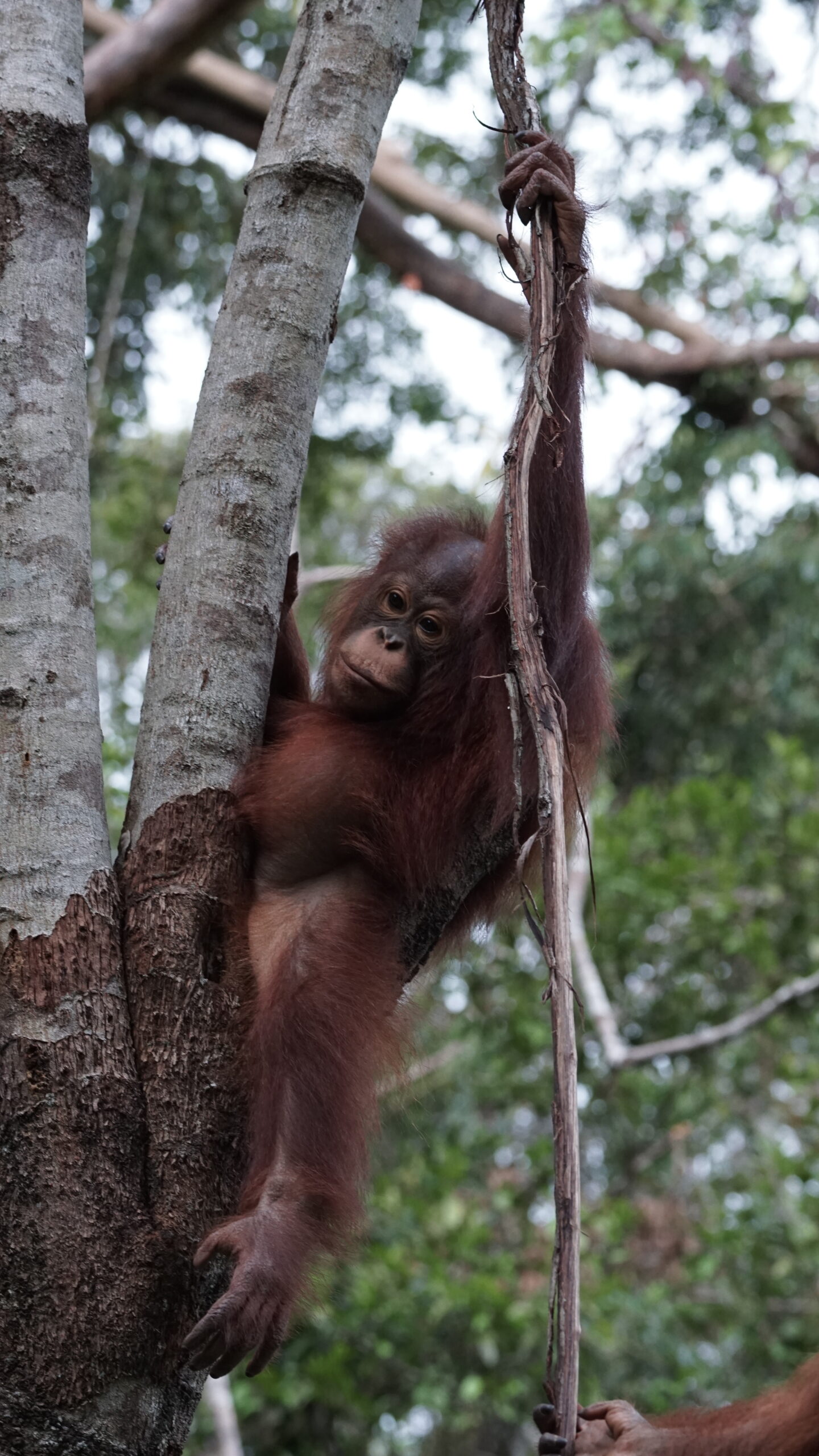
Banir attended two forest school sessions this month with her group, and her participation remained steady and consistent. However, the predominantly rainy weather did influence her ranging behavior. When rainfall made tree trunks and branches wet and slippery, Banir reduced her movement and showed increased caution when hanging between trees.
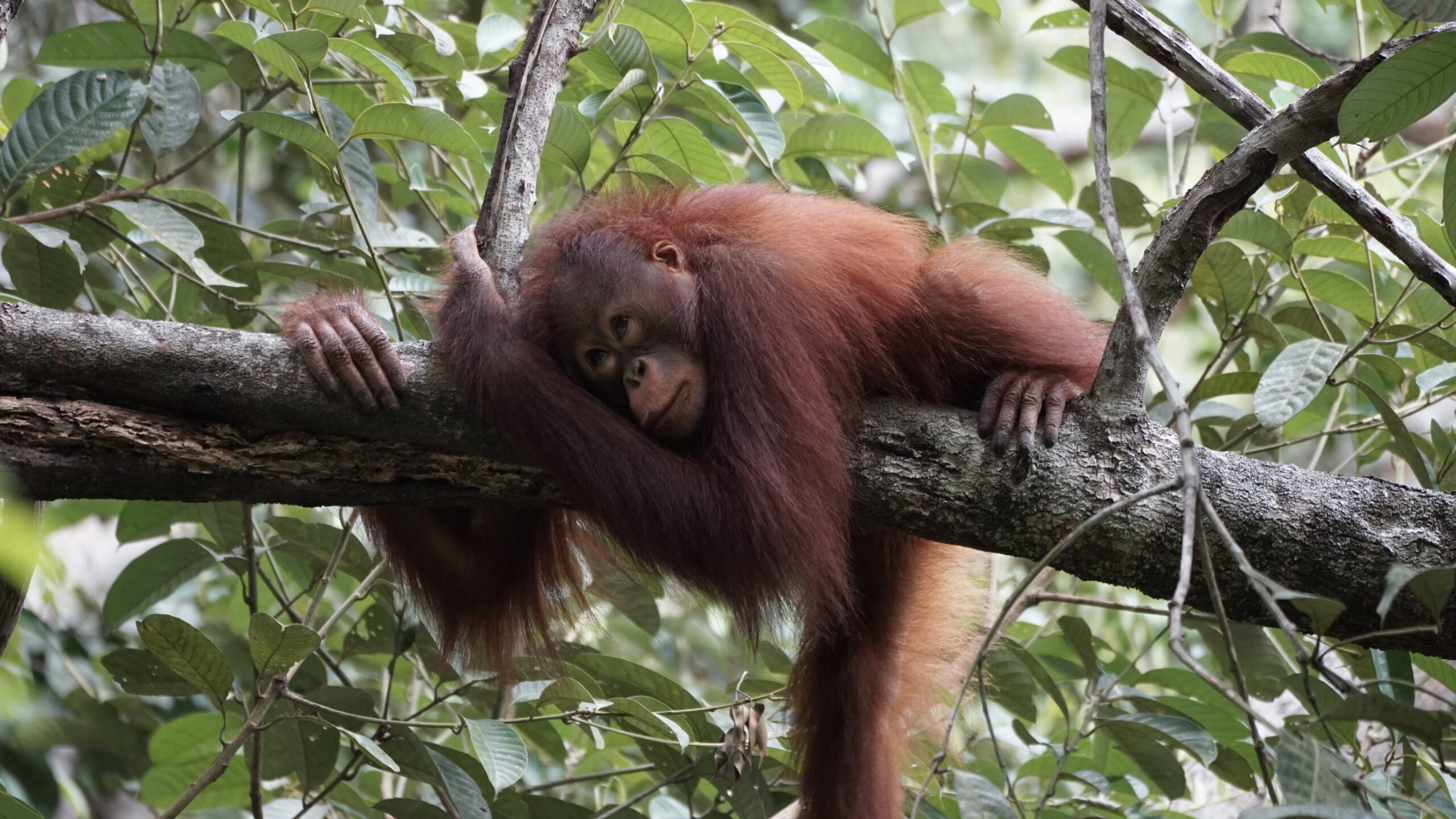
During heavier rain that filtered through the canopy at Jerora Forest School, she chose to pause and seek shelter on sturdy, leafy branches that provided better protection. This behavior reflects her growing ability to assess environmental conditions and adjust accordingly—an encouraging sign of her developing survival skills in a natural forest environment.
Banir